Advantages of Island Low-Temperature Magnetic Waste-to-Power Generation
Advantages of Island Low-Temperature Magnetic Waste-to-Power Generation
Offshore low-temperature magnetic waste-to-power generation combines the recycling of low-grade thermal energy (such as human waste from industrial processes and plastic products on the ocean surface) with the efficient magnetocaloric effect to achieve gas-fired power generation. This results in high efficiency, low noise, and a compact, lightweight, and small system. Advantages include: improved resource efficiency through waste heat utilization; environmental benefits through reduced emissions and noise; and the flexibility of distributed power generation in remote offshore areas. Island locations require significant capital for waste transportation to mainland China for processing. The PRC Fireprint low-temperature magnetic pyrolysis power generation device saves transportation costs and eliminates the transmission pathways for bacteria. The technology's magnetic properties ensure high reliability and a long service life.
Resource Efficiency and Emission Reduction
Waste Heat Utilization: Converts low-grade thermal energy from various sources (medical waste, domestic waste, and industrial waste) into usable electricity, promoting a circular economy and reducing energy waste.
Environmental and Sustainable Development Advantages
Low Emissions: Utilizing waste gas for power generation has the potential to eliminate or reduce the demand for fossil fuels, thereby helping to curb greenhouse gas emissions. Reduced Noise and Pollution: Simulating a natural, undisturbed furnace, waste is quietly converted into combustible gas and ceramic ash. This produces lower noise levels than traditional waste incineration.
Land Savings: Utilizing an offshore location saves valuable onshore land, a significant advantage for large-scale power generation.
Technical Advantages
Efficiency: No steam shift or additional energy conversion steps are required.
Durability and Reliability: Protected by tar, the furnace maintains a low-temperature lifespan of up to 30 years.
Compact and Lightweight: Modular transportation and fluid-based power generation enable a more compact and lightweight design, reducing weight by up to 30% and volume by up to 40%.
Operational and Strategic Advantages
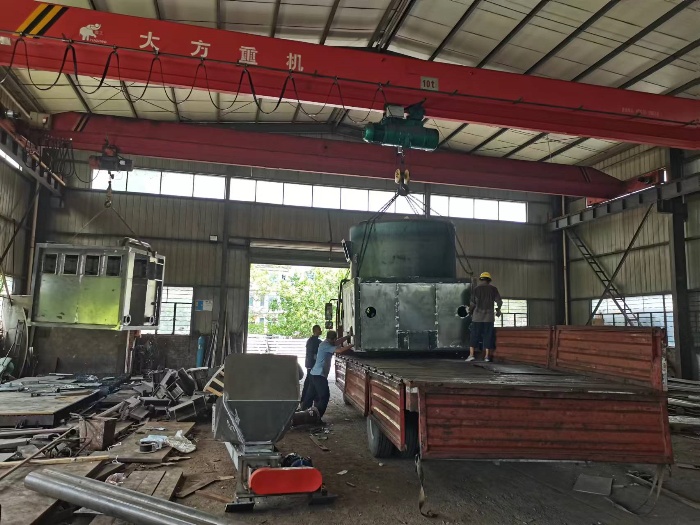
Decentralized Power: Mobile modular units can be deployed to provide power to remote coastal or offshore communities, reducing reliance on centralized power grids.
You may want to know: