China's Advanced 1-25 Ton Small Waste-to-Energy Plants
China's Advanced 1-25 Ton Small Waste-to-Energy Plants
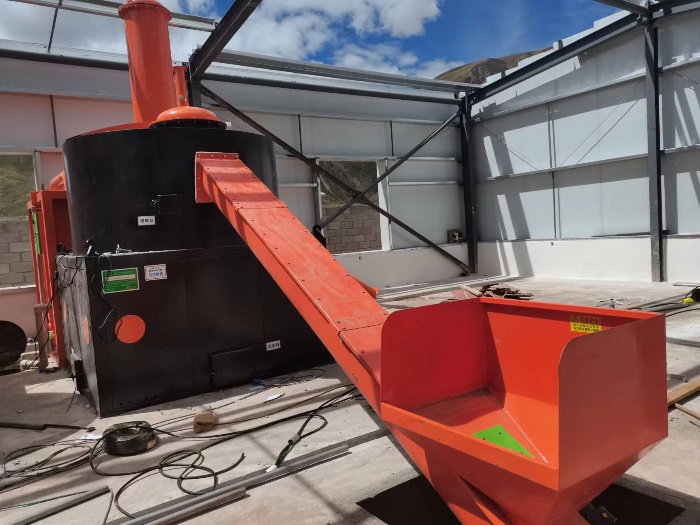
Small waste-to-energy plants, with a daily processing capacity between 1 and 25 tons, convert waste into electricity through combustion or gasification. These facilities typically feature a modular design suitable for small-scale applications, processing a variety of waste types and incorporating pollution control measures. Fireprint utilizes a low-temperature magnetic pyrolysis unit as its core. The carbonization pyrolysis process collects combustible gases and transmits them to a generator to generate electricity. Its 1-25 ton waste-to-energy system is a compact modular system specifically designed for remote mountainous areas and islands.
Working Principle
Waste Receiving and Pre-processing: Waste is transported to the power plant, shredded and sorted to remove recyclables and hazardous materials, and then directly fed into the furnace (daily production and clearing).
Pyrolysis:
Gasification pyrolysis: Sorted waste is charred in a controlled magnetic pyrolysis furnace. The char pyrolysis process produces combustible gases, which are used to generate electricity.
Pollution Control: Because the generation of dioxins, heavy metals, and particulate matter is controlled at the source in the furnace, no additional pollutant emission controls are required. Ash Management: Residual powdered ceramic ash, at a rate of 1/200-400, is used as forest fertilizer (no harmful waste is landfilled).
Key Features of Small Power Plants
Modularity: These plants typically utilize a modular design, allowing for flexible adjustment of scale and capacity to accommodate varying waste processing volumes.
Environmental Benefits: Waste-to-energy technology reduces the amount of waste sent to landfills and produces lower greenhouse gas emissions than fossil fuel-fired power generation.
You may want to know: