Detailed Explanation and Application Analysis of Medical Waste Incineration Technology
From:
FAQ | Date:2024/12/12 | Hit:
With the rapid development of the medical industry, the output of medical waste continues to rise. This kind of high-risk waste carries a large number of pathogens and toxic substances.
Improper disposal is likely to cause public health hazards and ecological pollution. As a mainstream and efficient technology, high-temperature incineration is the core solution for current medical solid waste disposal, which can realize thorough harmless treatment of waste and is widely used in various medical institutions and professional solid waste disposal centers. At present, the mainstream of the industry adopts the double-chamber pyrolysis incineration process, strictly follows the 3T+E technical standards, and achieves a pathogen inactivation rate of up to 99.99% through segmented high-temperature cracking and full combustion. Compared with traditional landfill and disinfection methods, this technology can realize reduction, harmlessness and stabilization treatment simultaneously. Equipped with professional tail gas purification equipment, it effectively avoids secondary pollution and meets environmental emission standards in compliance with regulations.
The high-temperature incineration technology is suitable for all types of medical waste such as infectious, pathological and pharmaceutical waste, and adapts to multiple scenarios including centralized disposal and public health emergencies. With the core advantages of safety, high efficiency and compliance, it has become a key core technology for standardized disposal of medical solid waste and protection of public health safety.
#Medical waste #high-temperature incineration #harmless treatment #solid waste disposal
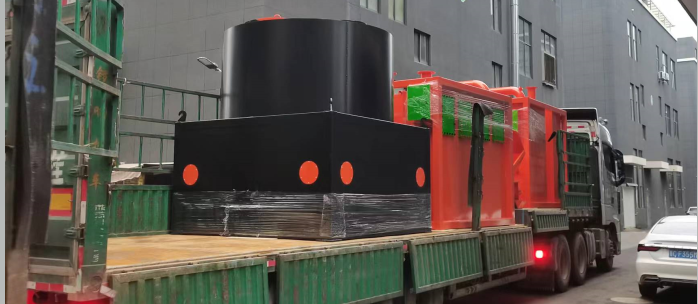
First of all, incineration technology can effectively eliminate pathogens and harmful substances in medical waste through high-temperature combustion, reducing its threat to the environment and public health. Generally speaking, the temperature of the incinerator needs to reach above 850℃ to ensure that the waste is completely burned. In addition, modern incineration technology is also equipped with advanced waste gas treatment systems that can filter out harmful gases and ensure that emissions meet environmental standards.
In terms of application, incineration treatment is widely used in medical institutions such as hospitals, laboratories and clinics. Through centralized management, the treatment of medical waste has become more efficient and standardized. It is worth noting that the ashes and smoke generated after incineration also need to be properly disposed of to avoid secondary pollution.
Although incineration technology has many advantages, it is not perfect. With the continuous advancement of technology, there may be more environmentally friendly alternatives in the future, such as emerging technologies such as low-temperature magnetic thermal decomposition devices.
You may want to know: