Small-scale Waste-to-Energy Plants in China: Combined Low-Temperature Magnetic Thermal Decomposition and Stirling Engine Technology
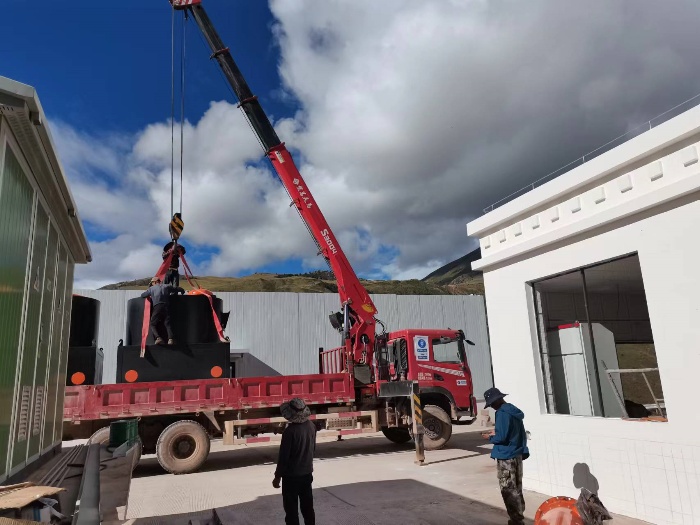
Aiming at the problems of difficult waste disposal, insufficient power supply and high waste transportation cost in remote townships and offshore islands in China, domestic small-scale waste power plants adopt the integrated technology of low-temperature magnetic gas thermal decomposition and Stirling power generation. It forms a lightweight and clusterable distributed on-site solid waste treatment system, which perfectly meets the ecological management and energy supply needs of remote off-grid areas.
Different from traditional high-temperature incineration equipment, this technology eliminates complex flue gas treatment systems and high-cost long-distance waste transportation and infrastructure investment. It is widely applicable to rural areas, islands, border stations and mountain scenic spots. Adopting a sealed micro-oxygen magnetic catalytic pyrolysis process at 50-380℃, the equipment operates without open flames, fundamentally blocking the generation of dioxins and ensuring compliant flue gas emission.
Mixed solid wastes such as domestic garbage, kitchen waste, waste plastics and agricultural residues can be directly fed without fine sorting, with a waste volume reduction rate of over 90%. The medium and low-temperature heat generated by pyrolysis drives Stirling generators for efficient thermoelectric conversion. The system realizes self-sustaining heating without frequent auxiliary fuel supply, achieving low energy consumption and stable operation. With modular design and cluster deployment capability, it solves waste accumulation and power shortage problems for remote areas.
#Small Waste Power Plant, #Low-temperature Magnetic Gas Thermal Decomposition, Stirling Power Generation, #Island & Township Waste Disposal, #Distributed Waste-to-Energy
You may want to know: