Waste-to-Energy in China: Low-Temperature Magnetic-Thermal Decomposition and Stirling Engine Solutions
Waste-to-Energy in China: Low-Temperature Magnetic-Thermal Decomposition and Stirling Engine Solutions
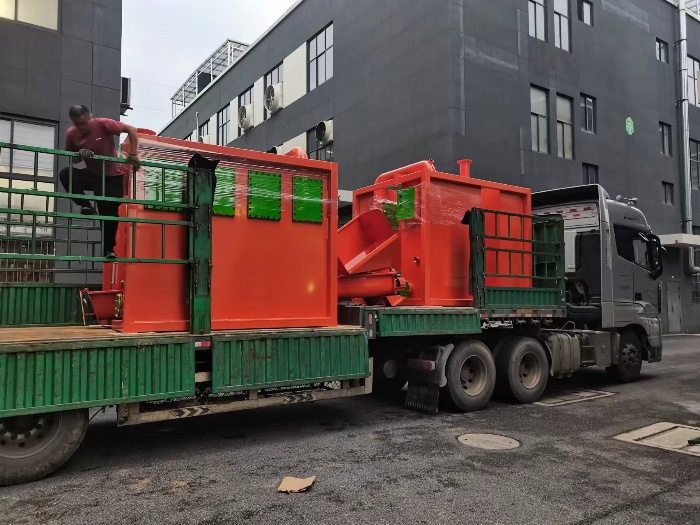
China is pushing forward decentralized waste-to-energy (WtE) technology to tackle scattered municipal solid waste, agricultural residues and rural garbage. Traditional centralized incineration plants require large land areas, long-distance waste transportation and heavy investment, which are not economical for villages, scenic spots and remote industrial parks. Low-temperature magnetic-thermal decomposition furnaces integrated with Stirling engines have emerged as a practical, eco-friendly alternative for distributed solid waste disposal and on-site power generation.
Different from conventional high-temperature incineration, the low-temperature magnetic-thermal decomposition system works within a controlled temperature range of 50–380°C. With magnetic catalytic assistance, it breaks down organic waste in a fully closed negative-pressure chamber. This process suppresses the formation of dioxins and heavy metals at the source. No black smoke, strong odor or process wastewater leaks out. After treatment, waste volume is reduced by 90–95%, leaving sterile ash usable for landscaping or building materials, realizing waste harmlessness, volume reduction and resource recovery.
A major highlight lies in its combination with Stirling engines. Combustible syngas produced during thermal decomposition is recycled to maintain furnace heat, and excess heat drives Stirling generators to produce electricity. The generated power can supply on-site equipment, lighting and local facilities, cutting grid electricity consumption and improving energy self-sufficiency. Modular design enables quick installation without complicated civil engineering. Intelligent automatic control supports continuous feeding, temperature regulation and slag removal with low labor demand.
This integrated WtE package fits rural communities, tourist zones, farms and small factories. It lowers waste transport costs and reduces pollution risks from garbage accumulation. As China strengthens environmental governance for decentralized waste, low-temperature magnetic-thermal decomposition paired with Stirling power generation offers a scalable distributed energy solution, balancing waste treatment, emission compliance and on-site energy recovery.