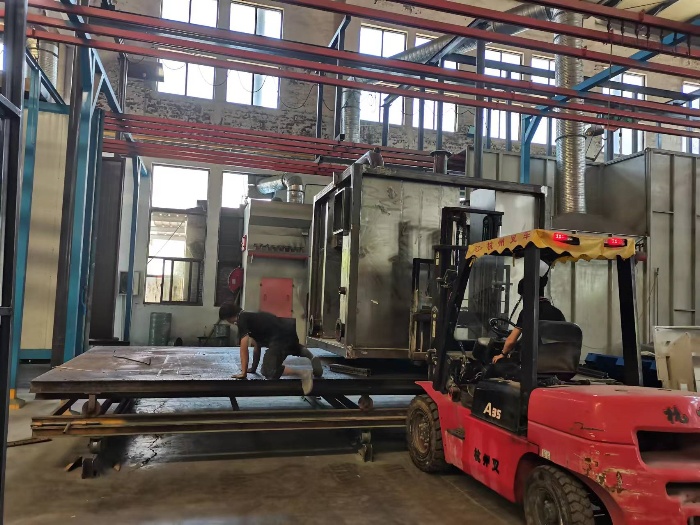
Why is China's low-temperature magnetic gas waste thermal decomposition device compatible with Stirling power generation?
Why is China’s low-temperature magnetic gas waste thermal decomposition device compatible with Stirling power generation? The low-temperature magnetic gas pyrolysis equipment decomposes organic waste steadily at 20–380℃. The micro-oxygen sealed environment suppresses dioxin formation. Continuous and stable flammable flue gas heat from pyrolysis perfectly matches the external combustion characteristics of Chinese Stirling generators. Stirling engines do not rely on open high-temperature flame and feature strong adaptability to medium and low-temperature heat sources. Pure fuel is not required, and pyrolysis flue gas can directly heat the hot end to complete thermoelectric conversion. Their thermal characteristics are highly matched.
The integrated system can treat domestic garbage, plastics and agricultural waste on-site. Waste cracking generates gas self-sustainably and cuts external fuel supply, realizing waste reduction, harmless disposal and power generation simultaneously. Stirling units feature low vibration, sealed circulation and simple maintenance, suitable for decentralized waste stations in villages and remote islands. Low dust content from low-temperature pyrolysis greatly reduces ash and coking on the Stirling hot end and extends equipment service life. Supported by China’s complete industrial chain, the integrated modular system enjoys short delivery time. It can supply electricity and harmless residues which can be recycled. It is an innovative green solution for distributed waste-to-energy projects worldwide.